
Aquaponics
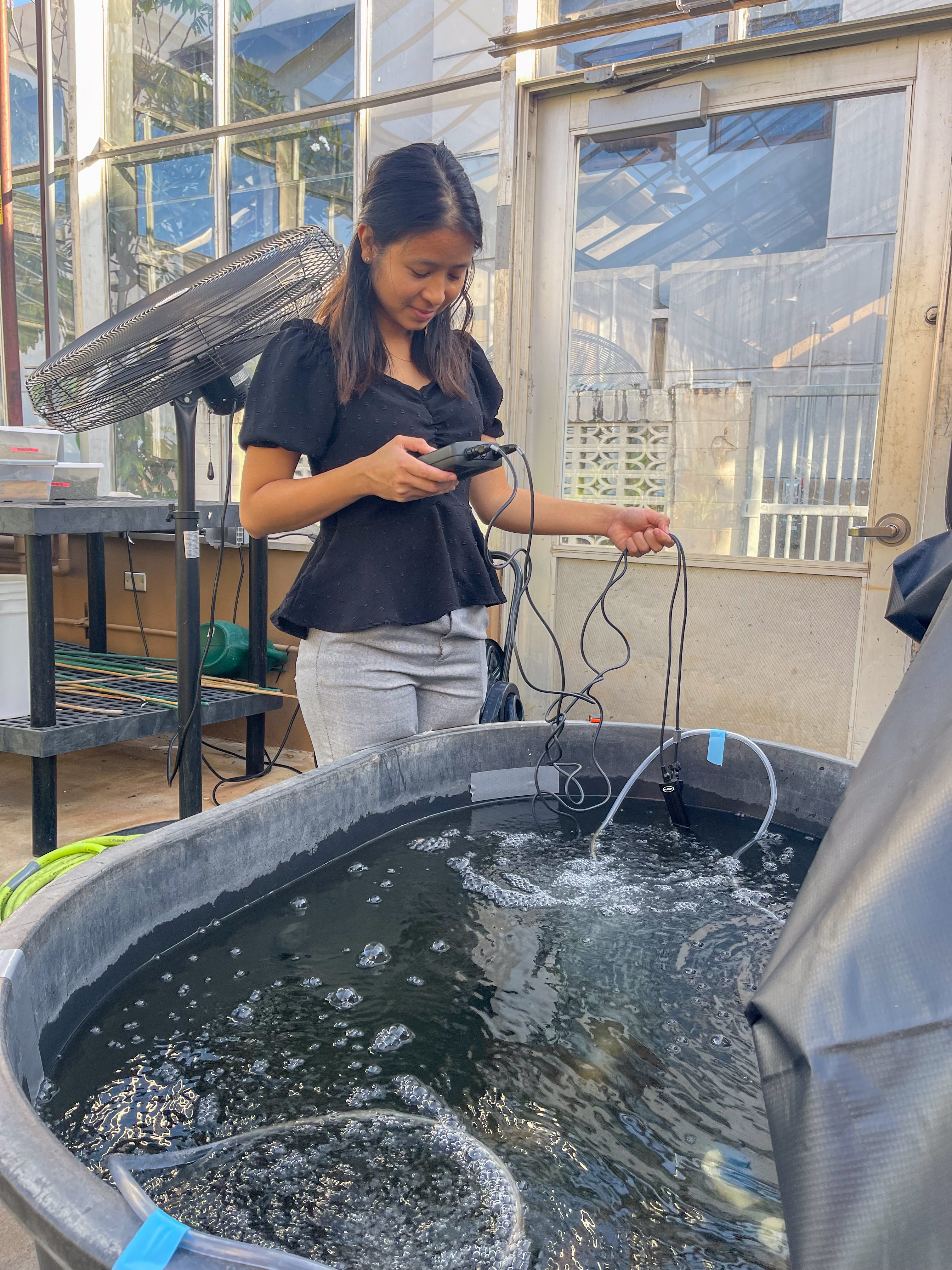
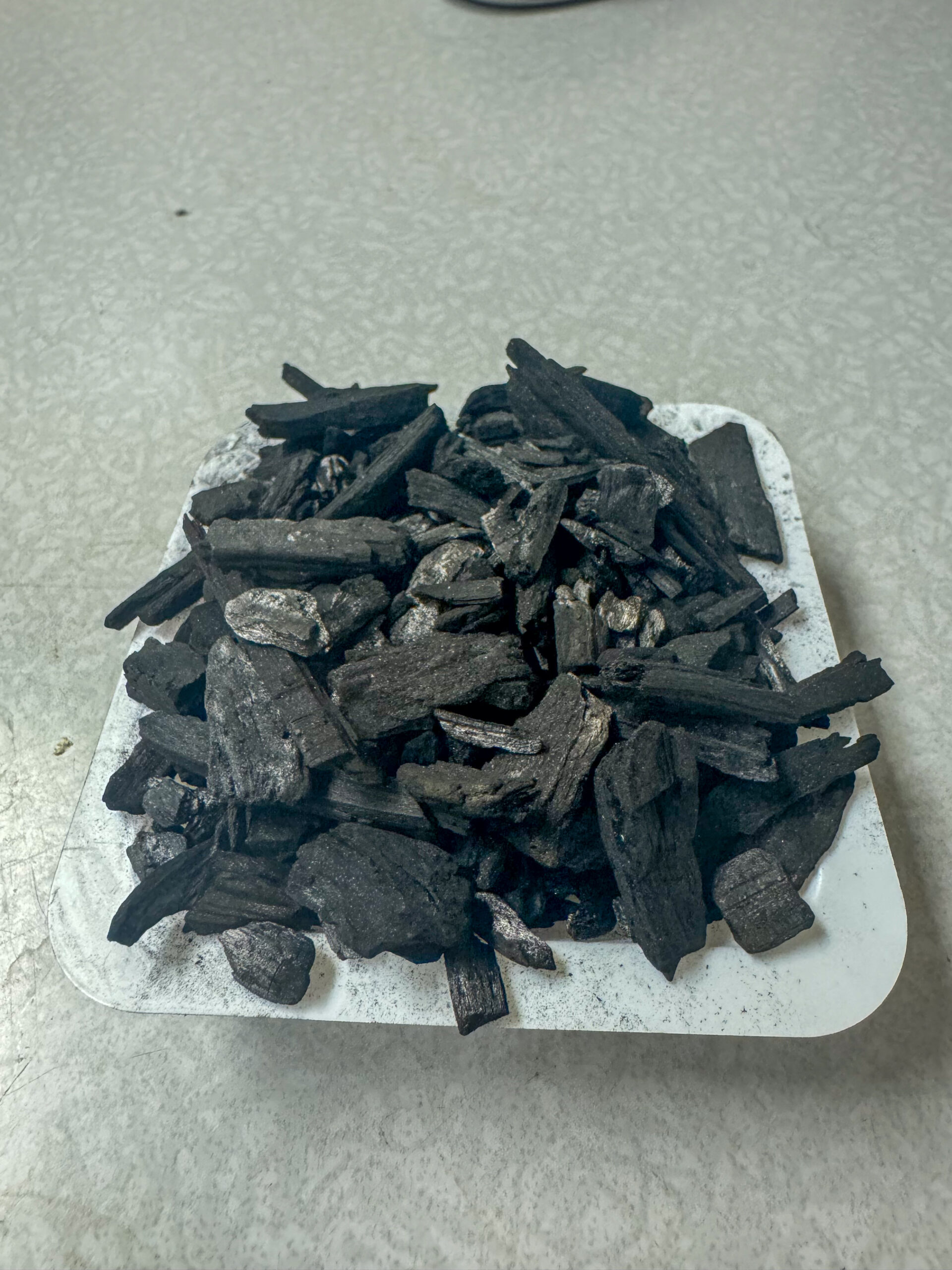
Reutilizing fresh/saltwater for aquatic farming via nutrient recovery within a closed-loop system, aquaponics integrates key components like a fish tank, solids removal sump, biofilter, and grow bed, each playing a vital role in the system’s operation. In aquaponic systems, microbial processes such as nitrification, decomposition, and mineralization are critical, and retaining desired microbes in the system is important. These biological processes can be further enhanced through the use of innovative technologies like Nanobubble technology, as well as by adopting alternatives to plastic-based media, such as Biochar.
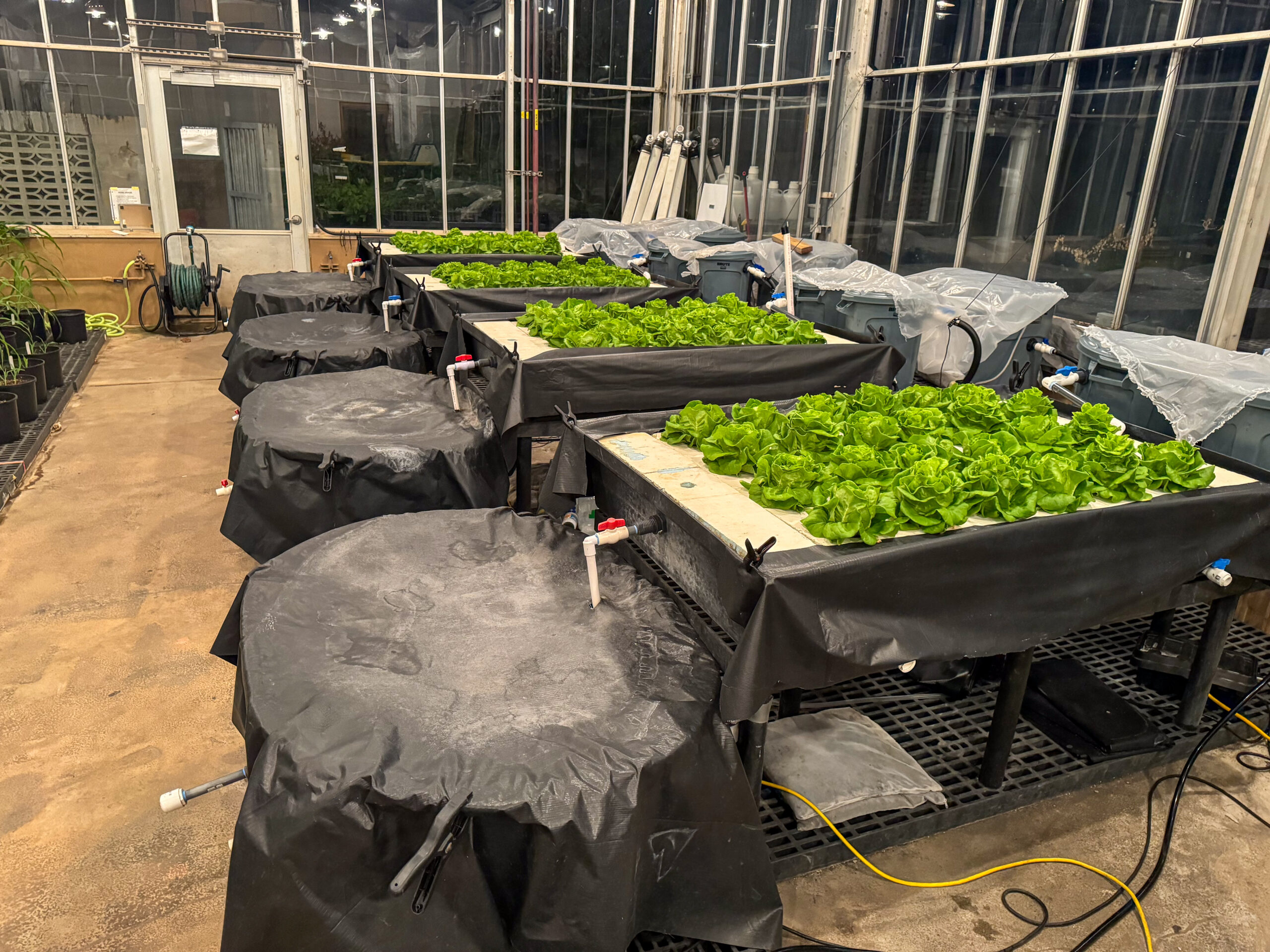
Nanobubbles
Nanobubbles (NB), tiny gas-filled bubbles (≤ 1 µm) formed through hydrodynamic cavitation, exhibit unique characteristics such as high oxygen solubility, extended stability in water, reactive oxygen species (ROS) production, and dominant Brownian motion. They have demonstrated potential in applications such as enhancing plant growth and seed germination. When introduced into water, nanobubbles raise oxygen levels, serving as oxygen reservoirs that stimulate microbial pathways and release nutrients for plant uptake. This can help mitigate low dissolved oxygen (DO) levels and improve water quality.
Biochar
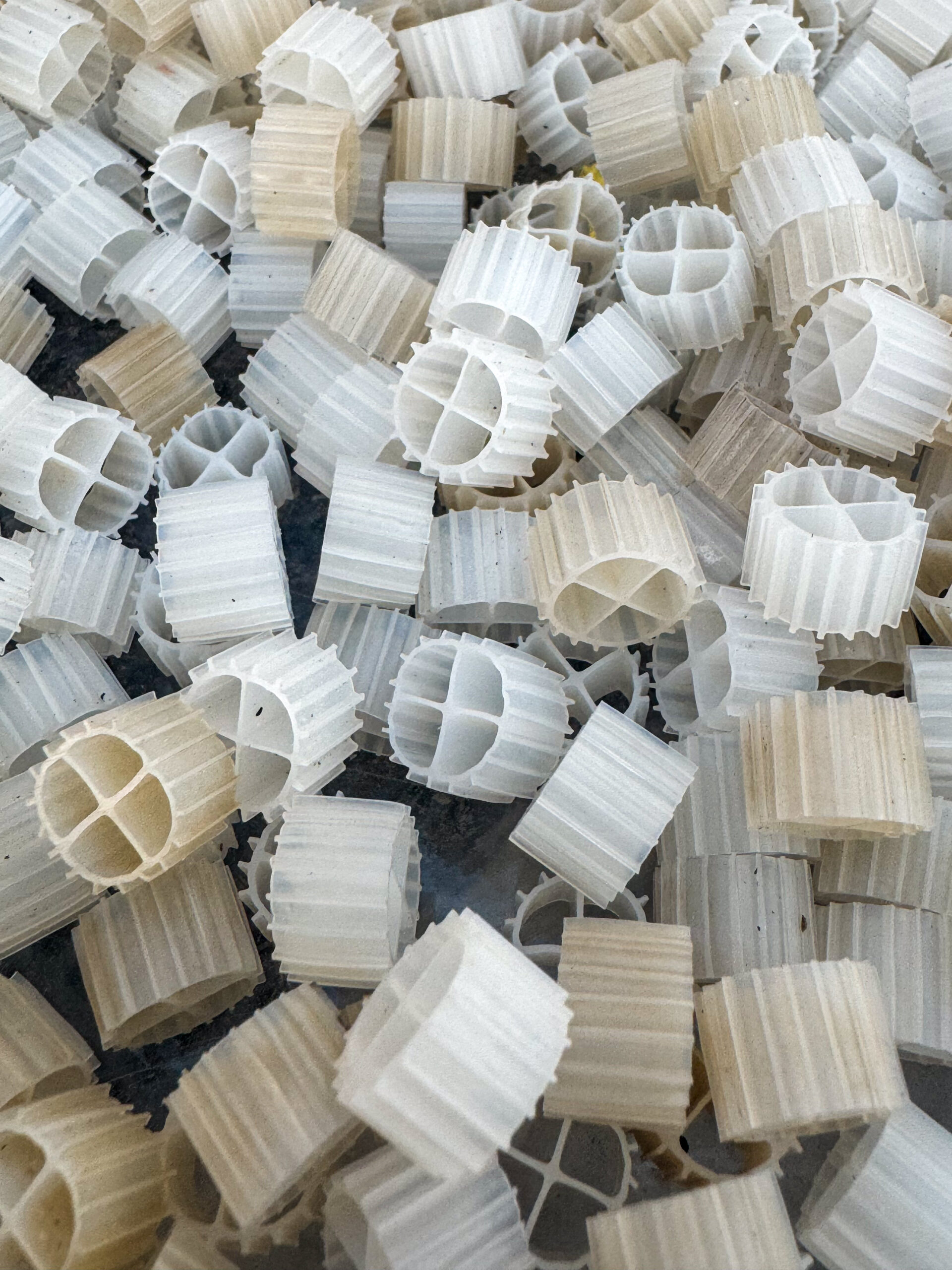
Sustainable green design for water management
Sustainable green design for water management incorporates eco-conscious strategies to optimize water use, reduce waste, and minimize environmental harm. In systems like vertical farming, where crops are grown in stacked layers within controlled environments, integrating efficient water management is key to maximizing sustainability. Recycled wastewater can be treated and reused for irrigation, decreasing the reliance on freshwater sources and preventing the release of pollutants into ecosystems. This method not only conserves water but also recycles nutrients, fostering a closed-loop system. By applying sustainable water management practices alongside green design principles, we can enhance resource efficiency, lower the environmental footprint, and promote resilient agricultural systems.

Watch our work in this video
Contact Me
Use the form below to contact me